




A water stain on the ceiling after rain is one of those problems that looks small and usually isn't. The stain shows up, it dries, and a month later it's back and a little bigger. Most homeowners assume there's a hole in the roof directly above it. That's almost never true. Water doesn't fall straight down once it gets past the roof surface. It runs along the top of a rafter, follows a nail line, crosses a joist, and drips where the framing happens to stop. The entry point can sit six or eight feet away from the stain, on the other side of a wall, or up at a chimney you can't see from inside. That's why chasing the stain doesn't work. Patching the ceiling covers the evidence without touching the cause, and the next storm brings it right back. Finding a leak means working backward from where the water shows up to where it actually got in, and in a New York house that usually means checking three or four suspects before anything gets fixed.
Water doesn't fall straight down after it passes the roof. The stain on your ceiling can be six or eight feet away from where water actually entered.
Start in the Attic, Not on the Roof
If the attic is accessible, that's where the answer usually is. Bring a flashlight and go up during or right after a rain. Look for wet insulation, dark streaks running down a rafter, rusted nail heads, or a stain on the underside of the decking. Those marks trace the path backward. Follow the highest wet point you can find, because water only travels down. Daylight showing through the roof deck is obvious, but most leaks don't announce themselves that way. What you'll usually see is a stained line on the wood that starts somewhere higher than the ceiling mark below it. That starting point is the entry, and it's what a contractor needs to see before quoting anything at all.

The Usual Suspects: Flashing, Chimney, and Gutters
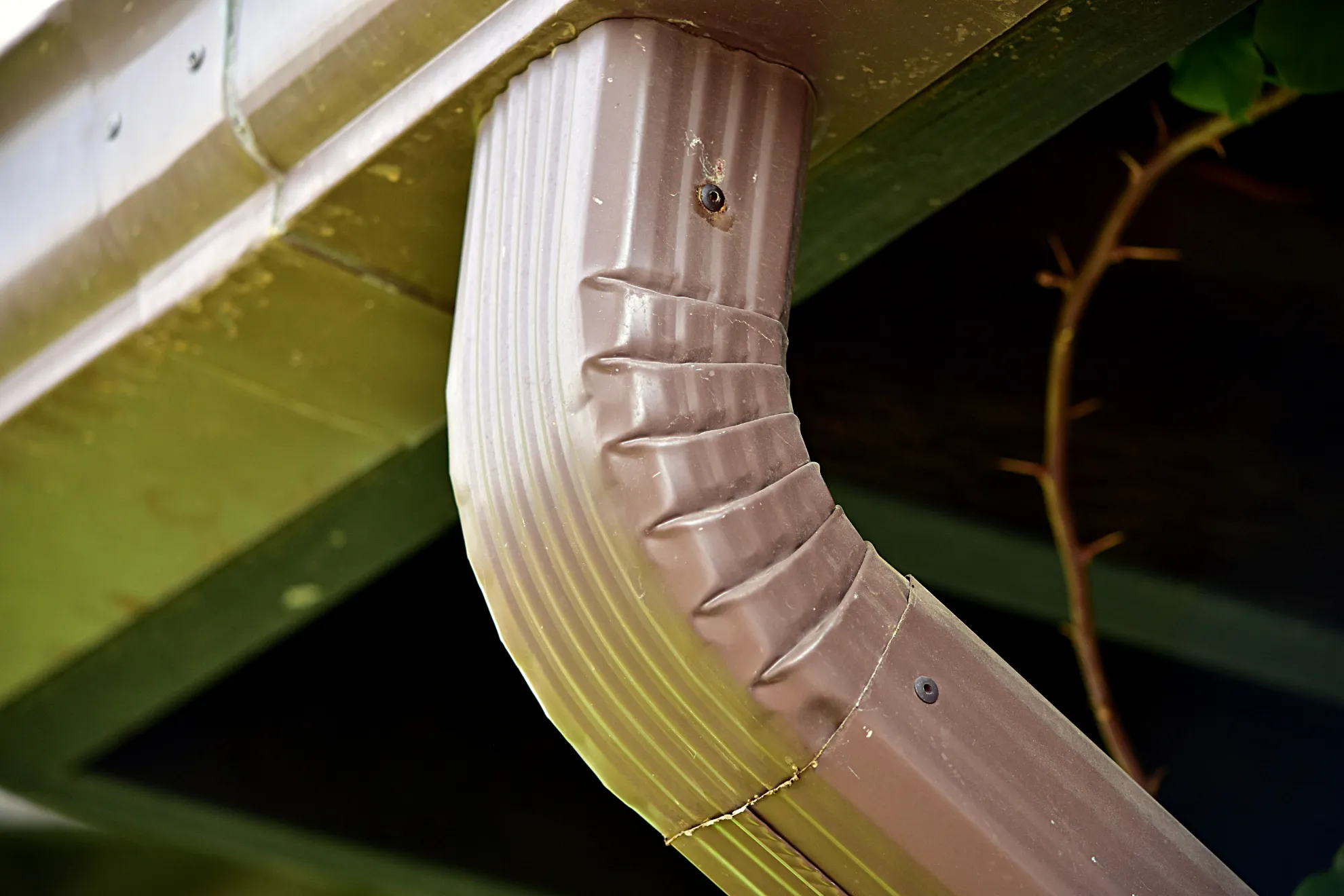
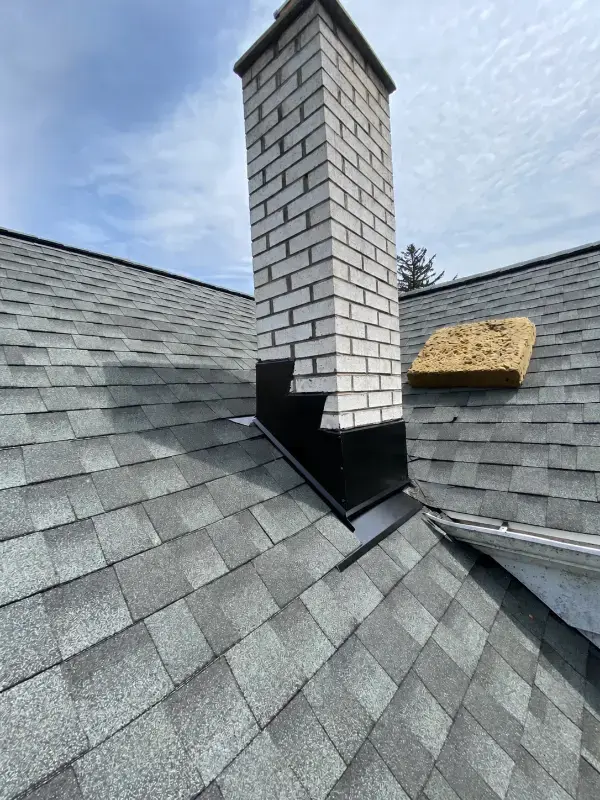
Roofs rarely fail in the middle of an open field of shingles. They fail where something interrupts them. Flashing around a chimney is the most common source in older New York homes, because the joint between masonry and roof moves at different rates and eventually opens up. Skylights, plumbing vents, and worn pipe boots come next. Valleys concentrate water from two roof planes into one channel, so a valley with damaged flashing leaks under moderate rain rather than only in a storm. Gutters matter more than people expect. A clogged trough backs water up under the bottom course of shingles, and in winter an ice dam does the same thing with far more force behind it.
- Chimney flashing (most common in older homes)
- Skylights and plumbing vents
- Worn pipe boots
- Valleys with damaged flashing
- Clogged gutters backing water under shingles
When It's Not the Roof at All
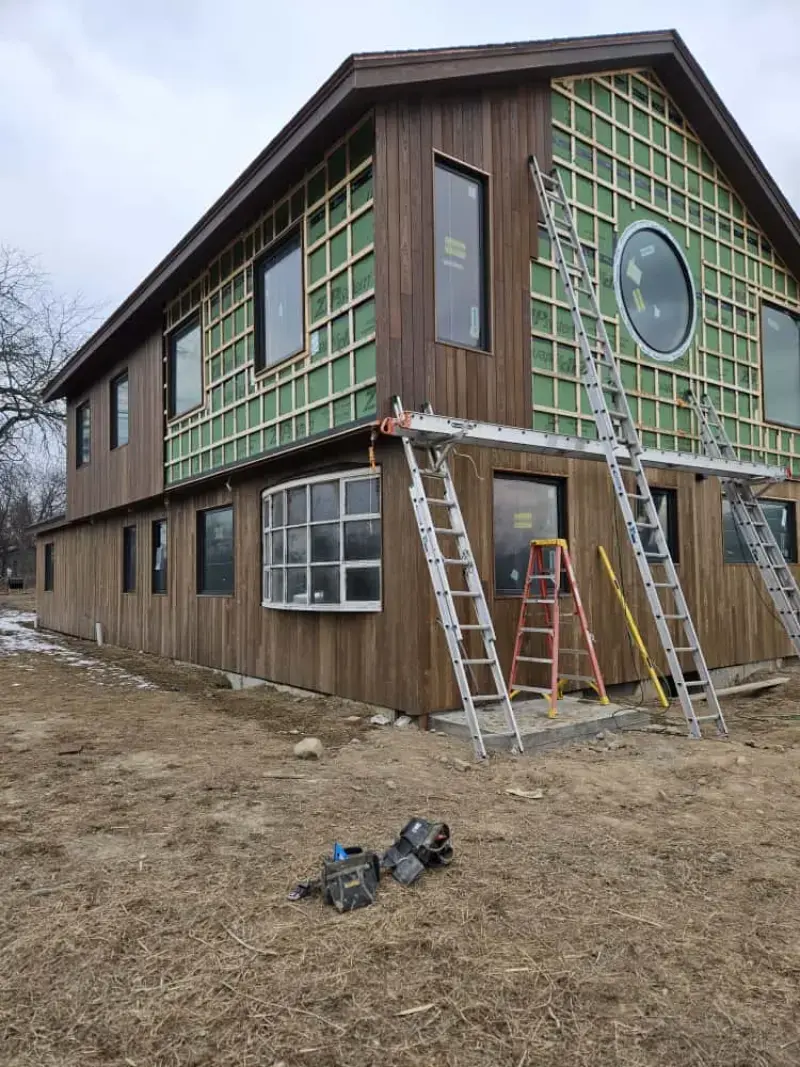
Some ceiling stains have nothing to do with the roof. Water running behind failed siding can travel down a wall cavity and appear at a ceiling line on the floor below. A cracked chimney crown lets rain straight into the stack, and that water exits wherever it finds a path, sometimes at a ceiling nowhere near the chimney itself. Condensation is another one. A poorly ventilated attic in a New York winter can produce enough moisture on the underside of the deck to drip and stain a ceiling without a single drop of rain getting in. Timing tells you a lot. A stain that appears after cold snaps rather than after rain points at ventilation, not at a hole.

Why the Fix Often Crosses Two Trades
Here's the part that frustrates homeowners. A chimney flashing leak sits exactly on the line between a roofer and a mason, and each one can reasonably say it belongs to the other. The same happens with siding and trim, or with gutters and fascia. If you hire one trade, they fix their half, the leak continues, and you're back where you started having paid twice. That's the practical argument for a contractor who covers both sides of that line. Abba's House LLC handles roofing, masonry, chimney work, siding, gutters, and carpentry, so a leak at a transition gets diagnosed and repaired as one job instead of being handed between two companies with separate schedules.
A chimney flashing leak sits exactly on the line between a roofer and a mason, and each one can reasonably say it belongs to the other.
Frequently Asked Questions
You can, but it'll come back. Stain blocking primer hides it for a while, and if the leak is still active the mark returns after the next rain. Fix the source first, then paint.
Check the stain after a heavy rain. If it grows, darkens, or feels damp, water is still getting in. An old stain that stays exactly the same size may be from a leak that was already repaired.
Water follows framing before it drips. It can run several feet along a rafter, so the entry point sits higher and often well to the side of where you see the mark.
Yes, especially in winter. If stains appear after cold weather rather than after rain, the problem is likely attic ventilation and moisture rather than a hole in the roof.
It's worth looking at soon. The water is already inside the structure, and in a New York winter it freezes and thaws in there, which does more damage than the stain suggests.